
The Future of British Horse Racing: What’s Not on the Track
British horse racing is often synonymous with grandeur—glittering events like the Royal Ascot, the Epsom Derby, and theCheltenham Festival dominate the headlines and draw throngs of spectators. But there’s much more to British horse racing than just these marquee events. In this article, we delve into the lesser-known races, regional meets, emerging trends, and betting strategies, including British horse racing not on GamStop horse betting not on GamStop, to illuminate the broader landscape of this beloved sport.
The Lesser-Known Races
While the big events gain significant media attention and sponsorship, countless smaller races occur throughout the year, often overlooked by the casual fan. These races may take place at local tracks and provide a different kind of thrill for those closely following the sport. These regional meets are critical for nurturing new talent—both equestrian and human.
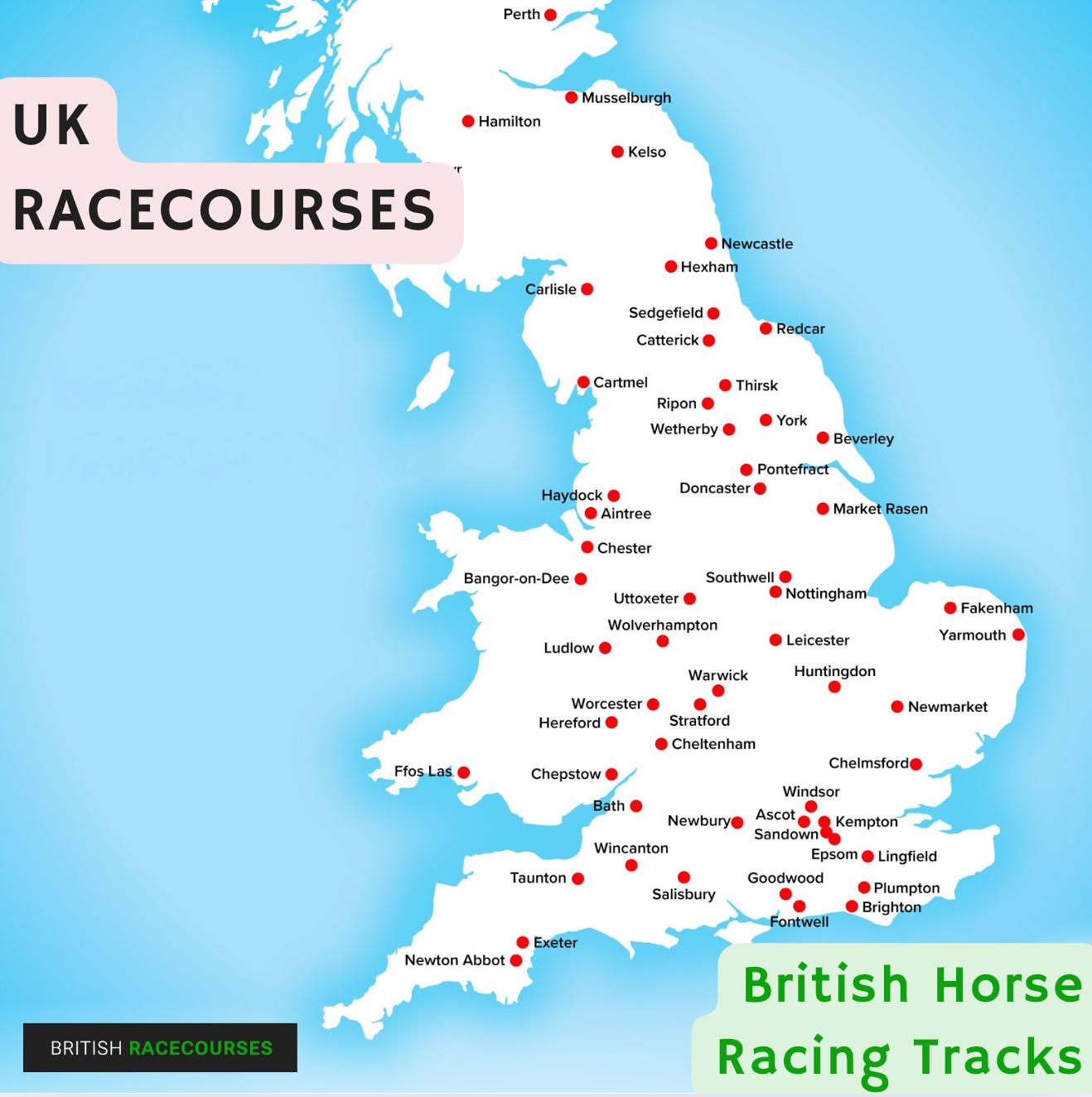
Consider tracks like Wincanton, Market Rasen, or Fakenham, where up-and-coming horses and jockeys gain valuable experience. These locations serve as breeding grounds for future stars, offering insight into the lighter, competitive atmosphere that characterizes British horse racing outside the main spotlight.
The Importance of Grassroots Horse Racing
Grassroots racing contributes significantly to the overall ecosystem of the sport. Races at these levels often come with lower entry fees, enabling a broader spectrum of participants, from amateur trainers to syndicates. These competitions foster community engagement, as local spectators have a vested interest in the outcome of races featuring horses trained by neighbors or even family members.
Moreover, grassroots racing is pivotal for those who might not have access to the lavish lifestyle surrounding elite races. It presents an opportunity for horse owners and trainers who might not have the means to compete on a national stage. Without these local meets, the pipeline of talent crucial to the continuity and competitiveness of British horse racing would dwindle significantly.
Emerging Trends in Horse Racing Betting
As technology continues to reshape the world, horse racing betting has not been left behind. While traditional betting outlets remain popular, many bettors now prefer online platforms for their convenience and variety of options. This shift has spurred numerous innovations, such as live streaming of races and mobile betting apps, making the entire process more accessible for both casual spectators and seasoned punters.
Another noteworthy trend is the rise of betting exchanges, which offer opportunities to bet against other punters rather than just the bookmakers. This dynamic creates a more exciting betting environment and encourages deeper analysis and engagement with races, especially those outside of the major events.
Regulatory Considerations
The gambling landscape in the UK, particularly concerning horse racing, has faced significant scrutiny and regulatory changes over the past few years. The introduction of measures to protect consumers, such as the implementation of self-exclusion programs for gamblers, is aimed at curbing issues associated with gambling addiction.
However, these regulations sometimes come with unintended consequences for the industry. For instance, the implementation of GamStop—a national self-exclusion scheme—has led to discussions about creating alternative betting platforms that welcome bettors who wish for more freedom. This includes horse betting not on GamStop, which provides a viable option for some punters while ensuring that they are still able to enjoy the thrill of the races.

The Role of Technology in Enhancing the Betting Experience
Technology is profoundly changing the betting experience, enabling richer interaction for users. Virtual Reality (VR) experiences are already being designed to provide fans with an immersive experience akin to being on the track. This advancement could pave the way for new and engaging betting formats, appealing to younger audiences and tech-savvy punters.
In addition, artificial intelligence and data analytics play crucial roles in helping both bettors and horse owners make informed decisions. By analyzing past performances and even physiological data of the horses, these tools provide an unprecedented understanding of the potential outcomes of a race.
The Cultural Significance of Horse Racing in Britain
Beyond the numbers, British horse racing holds a deep-rooted cultural significance that transcends mere sport. Events such as the Grand National are steeped in tradition and play a vital role in British social life. From fashion statements to charity events, horse racing provides numerous social avenues for networking and community building.
Furthermore, British horse racing often serves as a microcosm of broader social narratives, reflecting changes in society, economic shifts, and even discussions about animal rights and welfare. Events that celebrate heritage and craftsmanship go hand-in-hand with conversations on reform and the future of equestrian practices, showcasing the industry’s adaptability.

The Future Milestones of British Horse Racing
As the sport evolves with changing societal norms and technological advancements, the future of British horse racing is likely to be a nuanced affair. Major stakeholders within the industry must balance tradition with innovation, ensuring that they cater to both legacy and emerging trends.
Upcoming changes in legislation surrounding betting and animal welfare policies can redefine the landscape of horse racing. The industry stands at a crossroads, where embracing new technology and adapting to regulatory environments will determine its long-term health and vitality.
Conclusion
British horse racing, while often spotlighted during major events, is deeply enriched by the regional competitions and innovative betting practices that occur beyond the glitzy arenas. As the sport navigates the modern challenges of technology, regulation, and cultural relevance, a holistic understanding of its various facets becomes essential.
The future promises to be one of adaptation—recognizing the importance of grassroots involvement while integrating technology to enhance the experience for fans and bettors alike. As we look to the horizon, we can only speculate on what new developments await, but one thing remains clear: British horse racing is a dynamic tapestry that will continue to weave together tradition, innovation, and community.